IPL 2026 Wicket-Keeper Picks Expose Teams' Secret Strategies: How Dhoni's Role Shapes CSK's Future
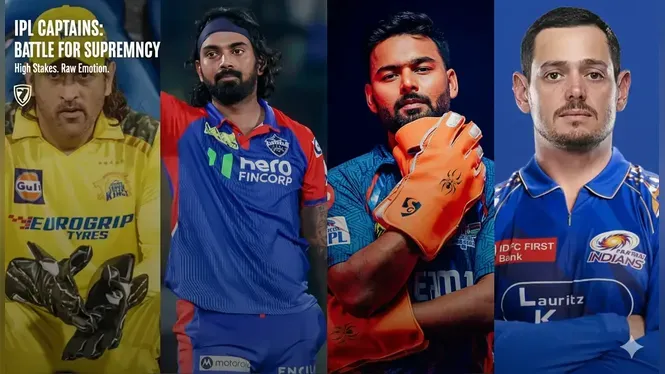
Mumbai: The wicket-keeper selections for IPL 2026 have become a strategic chessboard where franchises are making calculated moves that reveal their long-term visions. From MS Dhoni's phased transition at Chennai Super Kings to KL Rahul's high-profile shift to Delhi Capitals, these decisions impact batting orders, auction budgets, and succession blueprints for the world's premier T20 league.
CSK's Masterstroke: Dhoni as Finisher, Samson as Heir Apparent
Chennai Super Kings have orchestrated the most significant transition plan in IPL history. While MS Dhoni will be available for what's expected to be his final season, the 44-year-old icon will primarily operate as an Impact Player or specialist finisher. The Rs 14.2 crore acquisition of young Kartik Sharma complements the trade deal that brought Sanju Samson from Rajasthan Royals - now positioned as CSK's primary wicket-keeper and Dhoni's long-term successor.
Tactical Impact: This dual strategy allows Dhoni to focus on death-over hitting while grooming two potential successors. Samson gets leadership exposure, and Sharma develops under the Dhoni-Samson mentorship - a rare three-tier succession model.
Delhi Capitals Bet Big on KL Rahul's Leadership
Delhi Capitals' acquisition of KL Rahul signals a complete franchise reboot. With Rishabh Pant moving to Lucknow Super Giants, DC has entrusted Rahul with wicket-keeping duties and likely captaincy. The presence of backups like Tristan Stubbs and Abishek Porel gives DC flexibility to use Rahul as pure batter when needed.
Tactical Impact: Rahul's shift from LSG to DC creates a new power dynamic in North Indian franchises. His ability to anchor innings allows DC to build aggressive lineups around him, while the Rs 9.8 crore investment shows their commitment to his leadership.
Mumbai Indians' Calculated Gamble on De Kock
Mumbai Indians' Rs 1 crore purchase of Quinton de Kock represents one of IPL 2026's shrewdest deals. The South African veteran will handle primary keeping duties despite the presence of young Robin Minz. This low-cost, high-experience move allows MI to allocate major funds elsewhere while maintaining stability behind the stumps.
Tactical Impact: De Kock's power-hitting in powerplays complements MI's middle-order strength. His presence enables Ishan Kishan to play as specialist batter when required, adding lineup flexibility.
Rajasthan Royals' Bold Jurel Experiment
With Sanju Samson's departure to CSK, Rajasthan Royals have placed full faith in Dhruv Jurel as their primary wicket-keeper. The franchise retained Jurel at premium price despite his limited experience, banking on his explosive batting potential.
Tactical Impact: This move frees significant salary cap space previously allocated to Samson. RR can now build around Jurel's lower-order hitting while investing in top-order reinforcements during upcoming auctions.
Strategic Patterns Emerging Across Franchises
1. Foreign Keepers as Tactical Weapons
Teams like KKR (Finn Allen) and GT (Jos Buttler) are using overseas keepers as dual-role players. Allen's power-hitting complements KKR's spin-heavy attack, while Buttler gives Gujarat Titans both opening firepower and leadership.
2. Indian Youngsters Getting Premium Opportunities
Prabhsimran Singh (PBKS) and Jitesh Sharma (RCB) represent the new wave of Indian keeper-batters being groomed for long-term roles. Their development paths mirror Pant's rise at Delhi Capitals years earlier.
3. Multi-Keeper Lineups Becoming Standard
Most franchises now carry 2-3 keeping options (LSG has Pant, Pooran and Inglis), creating tactical flexibility. Teams can adjust batting positions based on matchups without compromising glovework quality.
The Dhoni Effect: How CSK's Model Influences Franchises
CSK's phased transition from Dhoni to Samson is being closely studied by rival teams. The model shows how to:
- Maximize legend's impact in specialized roles
- Integrate established stars (Samson) with prospects (Sharma)
- Maintain fan engagement during leadership changes
This approach contrasts with RCB's strategy of building around Jitesh Sharma - a pure middle-order keeper with no veteran mentor.
Auction Implications: Wicket-Keepers Driving Budget Allocations
IPL 2026's keeper market revealed stark spending patterns:
| Player | Team | Price | Strategy |
|---|---|---|---|
| Sanju Samson | CSK | Trade | Immediate starter |
| Josh Inglis | LSG | Rs 8.4 crore | Premium backup |
| Kartik Sharma | CSK | Rs 14.2 crore | Future investment |
CSK's combined Rs 22+ crore investment in keeper resources contrasts with MI's Rs 1 crore spend on de Kock - showing divergent team-building philosophies.
What These Choices Mean for IPL 2026 Season
The wicket-keeper selections will directly impact:
- Batting Depth: Teams like SRH (Klaasen/Kishan) gain flexibility to use keepers as floaters
- Captaincy Options: Rahul (DC) and Samson (CSK) likely assume leadership roles
- Auction Planning: GT's retention of Buttler means less purse spent later
- Tactical Substitutions: Dhoni's Impact Player role could revolutionize veteran utilization
Expert Analysis: The Long Game Behind Glove Choices
Cricket strategists note these keeper decisions reflect three-year plans:
"CSK is playing 2026-2028 chess while others play 2026 checkers. Their simultaneous development of Samson (29) and Sharma (21) creates succession continuity rarely seen in T20 leagues." - IPL Talent Analyst
Meanwhile, DC's Rahul acquisition and LSG's Pant signing represent immediate win-now moves from franchises under trophy droughts.
The Final Word: Wicket-Keepers as Franchise Cornerstones
IPL 2026's keeper selections reveal how franchises balance immediate needs with future planning. CSK's multi-phase transition, MI's value hunting, and DC's leadership reset through Rahul demonstrate there's no single formula for success. As the March 26 season opener approaches, these strategic choices behind the stumps may well determine who lifts the trophy in May.